 热线电话
热线电话

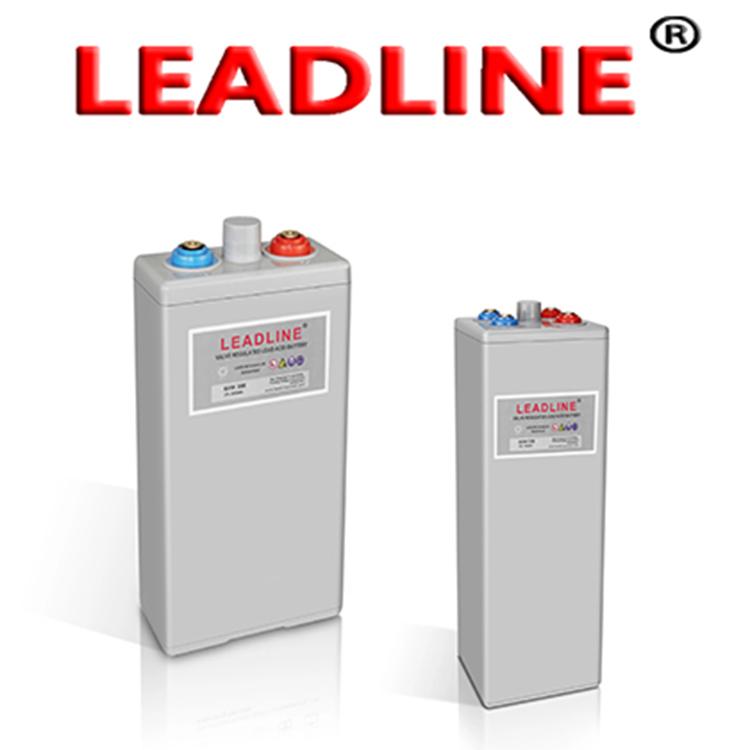
Lead acid batteries have high safety and stability, and have certain advantages in technical points, cost control, and energy storage usage. Lead acid batteries have a wide range of applications and are representative research projects in the energy field. Lead acid battery energy storage technology is relatively mature, especially in the application of energy storage repair technology, which effectively ensures the energy storage effect, improves the level of electric energy reserve, enhances the quality of battery use, and makes the repair technology meet technical standards. In the study of lead-acid battery repair technology, systematic research is conducted on energy storage issues and technologies after the use of repair technology, and corresponding technical achievements are systematically elaborated.
Keywords: lead-acid battery; Energy storage technology; Key points of repair technology; Energy storage issues; technological achievements
Introduction: After the application of lead-acid battery repair technology, relevant problems have been exposed in the use of lead-acid batteries. Systematic research has been conducted to understand the principles and characteristics of lead-acid battery energy storage technology, and technical achievements have been obtained after research.
1. Characteristics of lead-acid battery energy storage technology
1.1 Maintenance free performance
Under the protection of high-performance ABS shell material and safety valve, lead-acid batteries improve work efficiency through oxygen recombination, preventing shell deformation and controlling battery power loss, providing good energy storage protection for the battery. Under the characteristics of maintenance free performance technology, it can extend the service life of lead-acid batteries, enable maintenance free systems to play a protective advantage, improve the energy storage efficiency of lead-acid batteries, and provide safe and reliable electrical energy for the system.
1.2 High and Low Temperature Performance
Lead acid batteries have high requirements for the special characteristics of new energy systems, and their application environment requires the battery to have good performance in dealing with high and low temperatures. Based on this, in the research of lead-acid battery technology, it is necessary to combine the characteristics of the external environment and maintain the normal operating temperature of the battery. Generally, the temperature should be controlled between -30 ℃ and 50 ℃. Long acting agents should be added to lead-acid batteries to give them the advantage of resisting harsh environments, so that they can be used normally in harsh environments and avoid high or low temperatures affecting energy security.
1.3 Strong charging reception capability
Lead acid batteries have the characteristics of being resistant to overcharging and overdischarging. In the application of energy storage specific lead paste, special reagents are added to the battery panel to enhance the charging and receiving power of lead-acid batteries, promote the maintenance of good energy storage advantages of lead-acid batteries, and thus reflect the role of charging and receiving capacity.
1.4 Long cycle life
Lead acid batteries use high-purity raw materials and multi-element plate alloy materials with high tin and low calcium as curing materials. Under tight assembly technology, low electrolyte is used to improve the internal circulation ability of the battery, giving it a good energy cycle life and providing stable energy support for the battery.
1.5 Strong battery consistency
Lead acid batteries use electrode group grouping technology to maintain consistency of active materials, improve the internalization process effect of the battery, ensure the consistency advantage of the battery, and thus enhance the stability of battery energy storage.
1.6 Safety, environmental protection, and low price
Lead acid batteries, under the restoration of energy storage technology, have high stability and improve the safety factor of battery use; During the use of the battery, it will not cause environmental damage to the environment, thus extending the battery life and avoiding problems that threaten people and the environment due to dangerous factors such as leakage and explosion; Lead acid batteries have the advantage of being reusable. On the one hand, it effectively saves energy, and on the other hand, it improves the efficiency of recycling.
2. Research path of lead-acid battery energy storage technology
2.1 Research on Energy Storage Development
The lead-acid battery industry is growing at a rate of 20% per year, with high safety and energy stability, low manufacturing costs, and is widely used in transportation, communication, power, military, aviation, navigation and other fields. In the context of the development of lead-acid batteries combined with technology, the market demand is constantly increasing, and the use of secondary power sources accounts for 85% of the market share. Its energy storage development momentum is good.
2.2 Treatment of retired lead-acid batteries
In the research of lead-acid battery energy storage technology, it is necessary to combine the reuse of retired lead-acid batteries, leverage the role of lead-acid battery repair technology, and improve the efficiency of retired lead-acid battery repair and reuse. Lead acid battery manufacturers should track, manage, and maintain the batteries that have been used, striving to meet the design requirements. However, lead-acid batteries are prone to deterioration after a period of use (usually after 1 year), with severe deterioration of the battery after 3 years, resulting in lead sulfate crystallization on the electrode plates; Over discharge, over charging, and weakened tolerance can lead to the scrapping of lead-acid batteries, and offline standards must be followed [2].
2.3 Lead acid battery repair technology
For retired lead-acid batteries, repair technology should be applied to establish a battery model and study its charging and discharging characteristics, state of charge (SOC), and health state of health (SOH) estimation model. During the recharging of lead sulfate batteries, the positive electrode plate tends towards the most positive and the negative electrode plate tends towards the most negative. The battery voltage continues to rise and eventually returns to a fully charged state. During this charging and discharging process, repair techniques should be used to ensure that the lead dioxide on the positive electrode plate gains electrons and the lead on the negative electrode plate loses electrons, producing divalent lead "Pb2+", which reacts with the sulfuric acid in the electrolyte to form lead sulfate "PbSO4" and precipitate oxygen and hydrogen ions to synthesize water. During the discharge process of lead-acid batteries, it is necessary to combine the decrease in electrolyte concentration to gradually accumulate lead sulfate on the positive and negative electrodes, thereby improving the energy storage efficiency. In this process, it is necessary to combine the electrode discharge phenomenon to cause acid precipitation in the electrolyte of the positive and negative plates, gradually reducing the density of sulfuric acid and making the battery voltage approach the termination voltage. At the same time, hydrogen and sulfate ions need to be left in the electrolyte to synthesize sulfuric acid. During the charging process of lead-acid batteries, the electrolyte concentration should be increased based on the dissolution of lead sulfate on the electrode plates to maintain the charging state of the battery. In this process, hydrogen and oxygen are released from the positive and negative electrodes of the battery, decomposing to produce water molecules, making the electrolyte concentration tend towards saturation and improving the energy storage efficiency of lead-acid batteries.
2.4 Reuse of retired lead-acid batteries
After undergoing repair technology, retired lead-acid batteries can maintain their original battery power and improve their reuse efficiency. For example, in the field of transportation, lead-acid batteries used in cars, trains, electric vehicles, motorcycles, agricultural machinery, etc. can be restored through repair technology to improve the secondary utilization effect of batteries and enhance the safety factor level of transportation
[3]; In the field of communication and power, postal and telecommunications, power stations, power transmission, etc., it is necessary to focus on the efficiency of lead-acid battery use and improve the energy storage effect of batteries through repair technology to ensure the normal operation of the communication field; In the natural energy system, it is necessary to combine solar energy, geothermal energy, tidal energy, wind energy, hydro energy, etc., to demonstrate the power stability advantages of lead-acid batteries and enhance the reuse value of retired lead-acid batteries.
2.5 Research on Battery Management System Using Repair Technology
To address the issue of lead sulfate crystallization in lead-acid batteries, it is necessary to utilize key battery repair techniques such as pulse repair equipment; Repair solution and activator are used to restore the function of retired lead-acid batteries and improve the effectiveness of energy repair. (1) The pulse repair device uses high-voltage pulses with low current to break the sulfate crystals attached to the electrode pieces within 10 to 20 hours, without damaging the physical structure of the sulfate crystals, maintaining the physical structural characteristics of the crystals and improving the stability of the electrolyte. After a period of time, the sulfate crystals are attached to the two electrode pieces of the battery, improving the battery repair effect and meeting the requirements for the reuse of retired batteries. (2) In the repair of repair fluids or activators, the role of strong regenerants should be utilized to form lead sulfate crystals on the battery panel, improve decomposition and catalytic efficiency, and increase the concentration of sulfuric acid during the reaction process under discharge activation, keeping the sulfuric acid concentration above 90%. Therefore, the energy storage effect of the repaired lead-acid battery can be improved, keeping it above 85% [4].
2.6 Energy Storage Converter Technology
In the process of repairing lead-acid batteries, it is necessary to combine specific working principles, basic circuits, main performance indicators, control and protection technologies, etc., to improve the advantages of energy storage and conversion technology. (1) Working principle: In the application of energy storage inverter technology, it is necessary to focus on the key points of repair technology, chemically transform the crystallization of the two poles of lead-acid batteries, eliminate energy storage obstacles with the support of chemical reactions, and reflect the effect of internal current changes in lead-acid batteries; (2) Basic circuit: Based on the internal physical and chemical reactions of the battery, improve the energy storage efficiency of the battery, decompose and repair the precipitated crystals in the basic circuit, improve the working efficiency of the energy storage inverter, and ensure the smooth operation of the basic circuit; (3) Main performance indicators: Analyze the performance indicators around the key points of lead-acid battery repair technology, and improve the performance characteristics under these indicators; (4) Control and protection technology: By utilizing control and protection technology, the internal physical structure of the battery can be stabilized, improving the service life and safety of lead-acid batteries.
2.7 Technical requirements for operation and maintenance of lead-acid batteries
In the application and maintenance of lead-acid batteries, it is necessary to combine basic technical requirements, improve the fire protection design level of lead-acid battery energy storage power stations, enhance grid connected operation efficiency, increase maintenance and repair technology efforts, ensure that lead-acid battery operation and maintenance technology improves battery service life and enhances battery application quality.
