 热线电话
热线电话

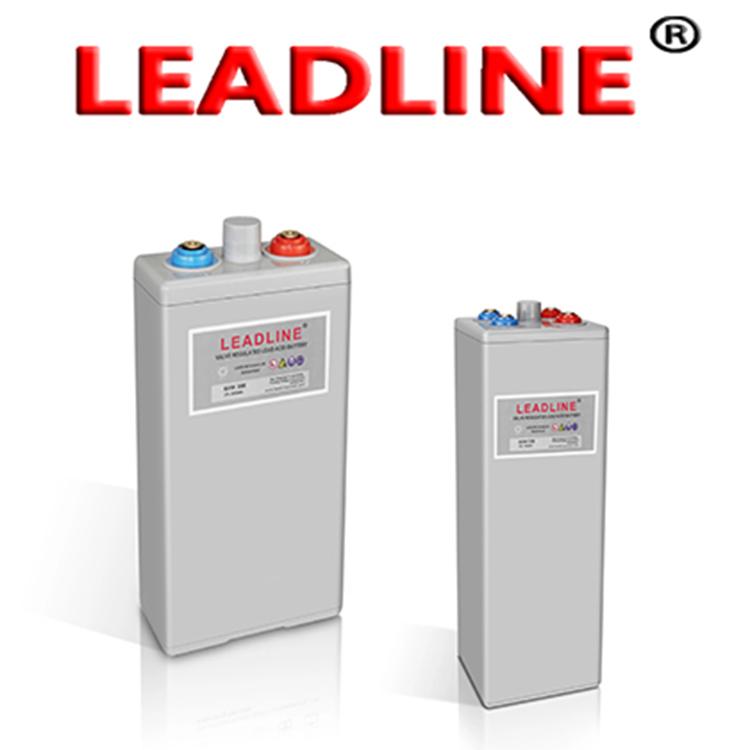
To ensure safety, nuclear power plants have set multiple continuous and independent protection levels at depth to avoid the harm of unexpected events to humans and the environment. To adapt to different protective functions, each nuclear power plant is equipped with different emergency and backup power supplies to ensure that the power supply system can be safely shut down in case of external power supply problems under different operating conditions and unexpected situations. Lead acid battery is a device that can convert chemical energy into electrical energy and store a certain amount of electricity when needed. Its working principle is to inject electrolyte into the electrode plate and separator. This type of battery is called VRLA to avoid electrolyte depletion and to seal the battery. In direct current transmission lines, batteries play a crucial role. Under normal conditions, a charger for a direct current (DC) system provides power to a load and charges its battery. When the charger malfunctions, the battery will charge it to ensure its smooth operation. At the same time, the battery provides power demand for peak loads such as starting DC motors to ensure a stable range of bus voltage.
1、 Classification and comprehensive comparison of batteries
According to the type of battery, it can be divided into acid resistant and explosion-proof lead-acid batteries (rich liquid batteries) and valve regulated sealed lead-acid batteries (VRLA). There are two types of valve regulated lead-acid batteries: gel type and lean absorption type.
Compared with rich liquid batteries, VRLA batteries have significant advantages in volumetric capacity, high current performance, cycle time, footprint, and maintenance. This method solves the current problem of unbalanced high current and long-term discharge capacity. However, there is a risk of thermal runaway when charging VRLA batteries. It can be achieved by increasing the surrounding temperature, equipping smart chargers, setting appropriate charging parameters, setting over temperature and shock alarms, and intervening when an alarm is triggered. The thermal discharge of VRLA batteries is a failure mode. After charging, the cumulative interaction between temperature and current will occur inside the battery, causing rapid rise, temperature increase, expansion, deformation, and ultimately leading to battery failure.
2、 Current situation and problems of nuclear power plant batteries
Firstly, the rich liquid battery generates hydrogen gas during charging, which can lead to hydrogen accumulation and explosion. So, both indoor hydrogen content and ventilation need to be carried out. Checking the specific gravity, liquid level, replenishment of water and acid, and preparation of electrolyte are all part of high-risk acid-base operations. Employees must wear acid resistant clothing, face masks, and rubber gloves to prevent electrolyte splashing and injury. During the annual maintenance, the battery also produces acidic gases, which can cause respiratory injury to maintenance workers. Secondly, the maintenance cost is very high. According to the preventive maintenance plan, conduct regular weekly and monthly inspections on the battery. By checking the voltage, internal resistance, specific gravity, liquid level, etc., abnormal conditions of the battery can be detected and managed in a timely manner. Thirdly, this requires a lot of space. Due to its technical characteristics, it can only be placed vertically, occupying a large space, volume, weight, and difficult to replace. Fourthly, the sealing of the end cap outlet of the box is poor, and the problem of acid sticking to the rod body is difficult to solve. Clean it regularly.
3、 Working principle of battery
The electrochemical reaction between the positive and negative electrodes during battery charging and discharging is as follows:
On the negative plate:
On the positive electrode plate:
From the above chemical reaction equation, it can be seen that this is a reversible reaction. During discharge, a chemical reaction occurs from left to right, converting chemical energy into electrical energy and then releasing it again; During charging, reactions from the right to the left convert energy into chemical energy and store it.
At a certain charging voltage, hydrogen ions will be released on the negative electrode, thereby generating hydrogen gas. Due to the use of lead calcium alloy, hydrogen ions will not be released or generated when the charging voltage reaches the initial value. No matter how you adjust the structure of the alloy or increase the overpotential of hydrogen, it will be generated when the charging voltage reaches the hydrogen release potential. So, in order to control hydrogen production and prevent battery moisture loss, various manufacturers have set different charging voltages within specific ranges.
4、 Maintenance and upkeep of batteries
(1) Monthly inspection of battery
Regularly inspect the battery every month and conduct a discharge test. The testing work includes measuring and recording the voltage and current at the end of the battery, adjusting the float charging voltage if necessary, recording each unit, and balancing the charge of the battery pack when necessary to start the board; Check the wiring of the battery pack and clean each battery pack. Wipe the surface of the battery with ethanol or 5% alkaline water (fermentation agent).
The specific gravity, liquid level, and visual inspection of the battery panel. According to the electrolyte density conversion formula: at a reference temperature of 20 ℃, its density should be 1.24+0.05g/cm ³ (20 ℃), or if not, add 1.40g/cm ³ of adjusting acid or distilled water. If the electrolyte level drops, pure water (or distilled water) should be used for replenishment. The voltage of a single battery should be within the range of 2.23 volts (+0.1; -0.05). If the difference between electrolyte T and 20 ℃ is greater than 5 ℃, it can be adjusted according to the following formula:
.
(2) Battery discharge test
The battery pack is crucial for the safety of nuclear power plants. During normal operation, the battery pack must undergo a discharge test to verify its capacity. In order to detect faulty individual batteries, voltage tests should be conducted on the batteries of each individual cell. Next, at the same discharge speed, continue the discharge test until the lowest voltage is reached to determine the true safety margin, draw the discharge curve, and detect the problematic cells. Then charge the power supply to ensure the battery's working condition and power level.
(3) Battery replenishment
Using the "constant voltage method" to charge the battery, first maintain a terminal voltage of 2.3 V (I10), which is 220 V group constant voltage to 248 V, 110 V group constant voltage to 12 V, and 48 V group constant voltage to 53 V. Then, maintain the voltage constant until fully charged. Explanation of sufficient energy: During charging, A can maintain stable voltage and density for 3 hours. Compared with the constant current method, the electrolyte does not undergo boiling phenomenon. At the end of the charging process, B has a current of 0.02 to 0.05 I10. At this point, it will become a floating charge. By adopting the loading method described above, it is possible to avoid the last loading of a single loader, thereby reducing the risk of personnel injury and workload.
5、 Battery Failure Analysis - Overcharging of Battery
(1) Improvement of battery design for nuclear power plants
The only single battery overload in Qinshan Nuclear Power Plant. This troubleshooting allowed the maintenance personnel to perform the first battery charging. The charger in the OLDK system has encountered a problem, with a charging voltage of over 30 V (approximately 26 V under normal conditions), resulting in an increase in the charging current of the battery, which is already the limit of the entire charger. Because high charging current will cause the battery to heat up and generate a large amount of gas. The electrolyte rotates at high speed, and a large amount of electrolyte is vaporized, filling the entire battery room with acid mist.
When maintenance personnel discover problems, they should immediately report to the maintenance worker and inspect the battery after the acid mist dissipates. Finally, replace the entire battery and perform preliminary charging. Due to the storage nature of batteries, initial charging is crucial in their use. In order to fully activate the electrode sheet, at least two sufficient charge and discharge cycles must be carried out [3].
(2) Performance testing of improved nuclear power plant batteries
Using the rich liquid battery test method and acceptance criteria, the fully charged battery is discharged for 8 hours with a constant current discharge of 80% C10. The voltage of each unit must be higher than the discharge end voltage of 1.8 V for 8 hours, otherwise it will be considered unqualified. Experimental results have shown that VRLA batteries have good safety and can completely replace rich liquid batteries.
(3) Benefit analysis of improved nuclear power plant batteries
In practical operation, nuclear power plants strictly inspect the charging and discharging capabilities during preventive maintenance plans and equipment replacement and maintenance, and conduct weekly and monthly inspections on the batteries during grid connected power generation.
Through actual testing data of nuclear power plants, it was found that VRL batteries do not require measuring specific gravity, adjusting electrolyte, or supplementing current after setting the electrolyte, and their maintenance cycle is significantly shortened, only 1/2-1/4; The charging and discharging cycle of electrical equipment is 2/3 of that of a rich liquid battery, which can greatly reduce working time and labor costs.
Through the modification of nuclear power batteries, their operational reliability has been improved, maintenance risks have been significantly reduced, and labor costs in maintenance have also been greatly improved.
Conclusion
In the DC system of nuclear power plants, batteries are essential. Under normal conditions, in DC systems, batteries are float charged. In order to ensure the normal use and maintenance of batteries, ensure the normal use of batteries, and ensure the safe and stable operation of nuclear power plants.
